
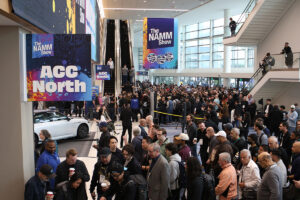
What Was NAMM 2026, Really?
As the dust settles and suitcases are finally unpacked after NAMM 2026, one question lingers for those who went — and those who didn’t: what did this year’s trip to Anaheim actually mean? There’s a lot to reflect on here… and we’re not just talking about the creased shirts and overpriced coffee.
Let’s acknowledge the elephants in the room first. There are a couple — but certainly no stampede.
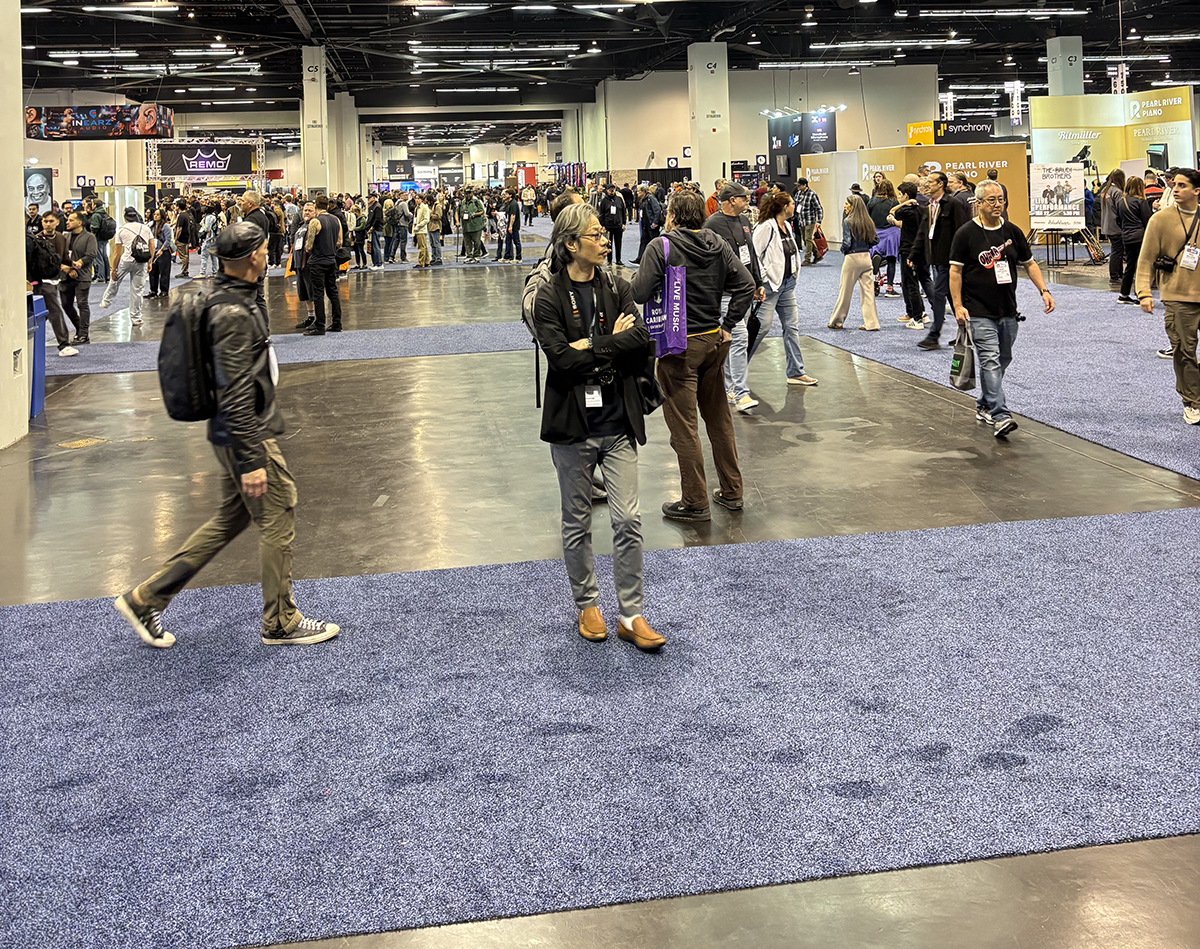
Did NAMM 2026 look like the NAMM of pre-COVID memory? No. Not quite. There are still noticeable absences, still some open spaces on the show floor that remind us of what the industry has been through. That’s the honest truth.
But was it worth being there?
Without hesitation — yes. Absolutely.

Takeaway or Contribute?
After 18 years of attending the NAMM Show, comparing today’s event to the pre-COVID era feels like looking backwards for answers that no longer exist. The industry has changed. The world has changed. And it will continue to change.
What felt clear — both to me and to many we spoke with — is that NAMM has firmly embraced its identity as a consumer-driven event, with the added and valuable benefit of bringing trade partners together. It remains a place where relationships are refreshed, new ones are formed, and opportunities still emerge — domestically and globally. I genuinely struggle to see how that’s a bad thing.
The bigger question goes far beyond B2B versus B2C labels, or traditional top-down models we’ve grown comfortable with. Let’s pause and ask something more fundamental:
Who are the latest releases for?
Who are the innovations, artist performances, signings, and endless social posts actually aimed at?
They’re for the musician.
The fan.
The kid who’s just been to their first festival, gig, or concert and now dreams of playing like their heroes.
Somewhere between spreadsheets, targets, and follower counts, have we forgotten something vital? We are — at heart — in the entertainment business. Instruments without passion, artist input, emotion, and soul are just objects. (Unless you want to talk about AI… and honestly, that’s a whole other conversation.)
AI may be clever — undeniably so — but ask it how music makes it feel, and I wonder what the answer would be. Do you know? Because I don’t.
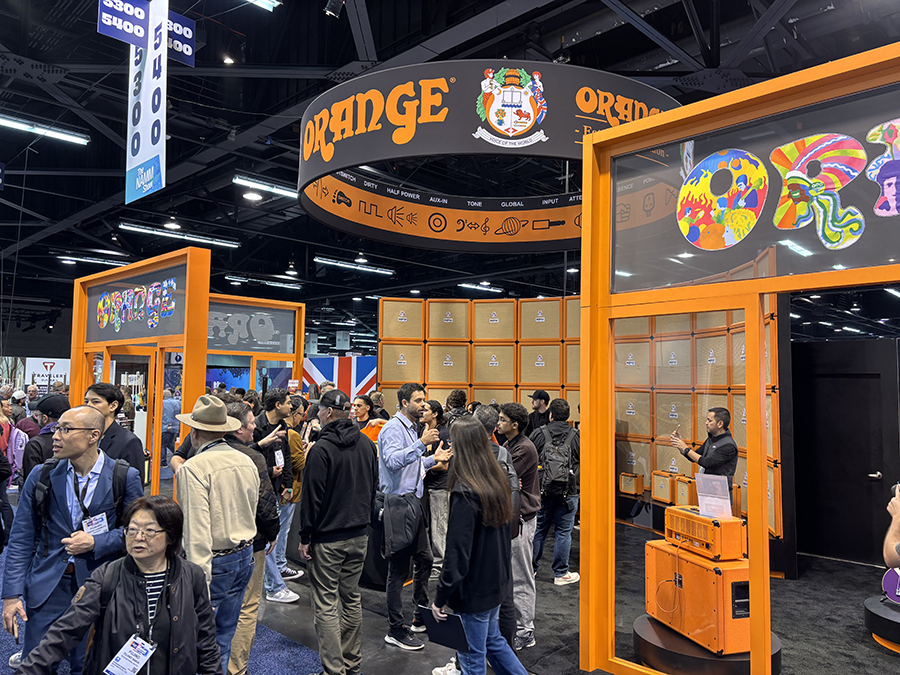
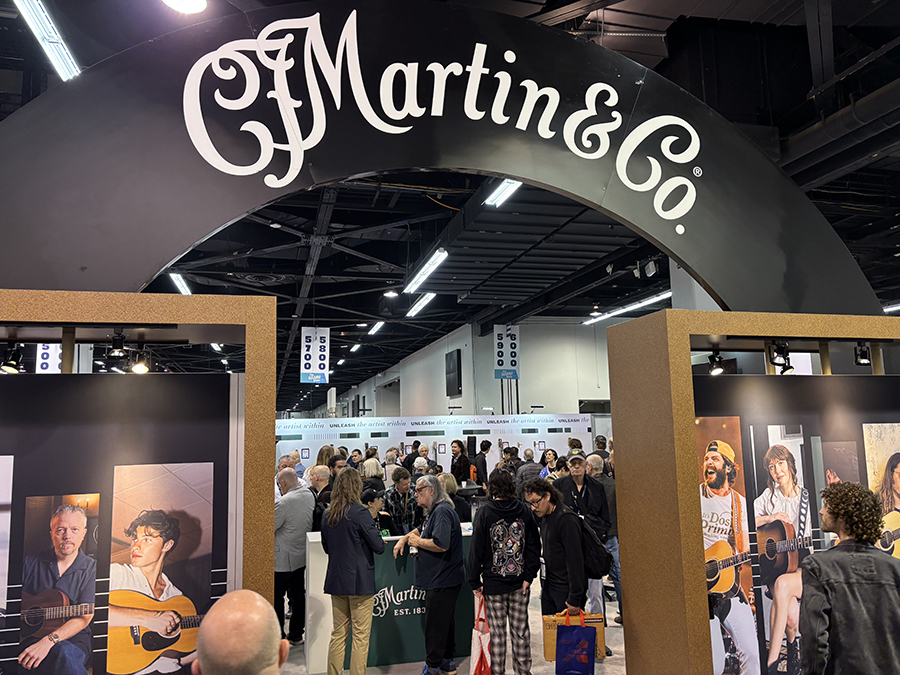
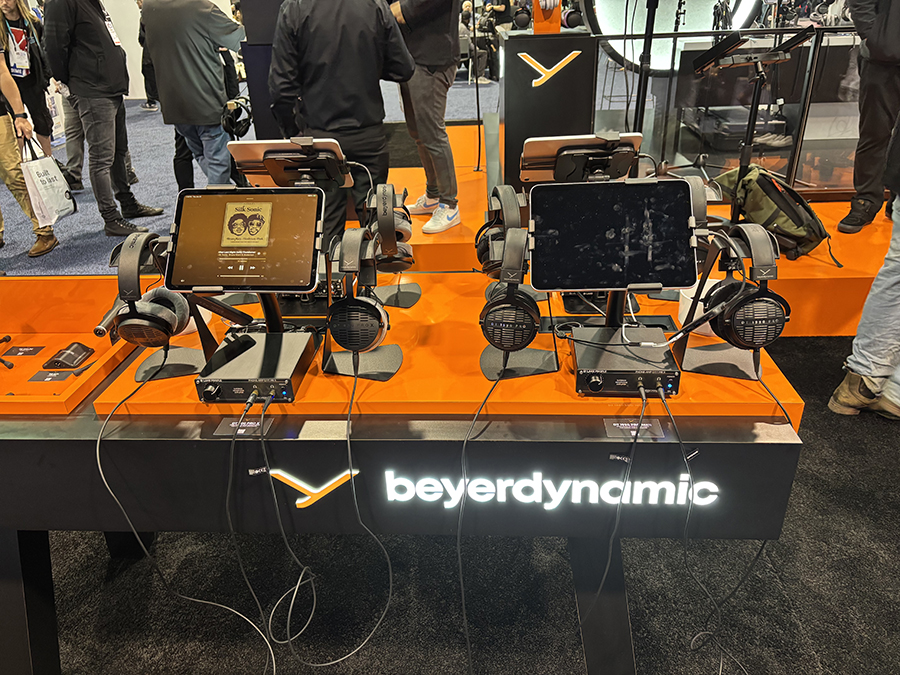
Why We Were All Drawn Here in the First Place
Whether you were at NAMM, Music China, or any other human, face-to-face event, let’s not lose sight of why we entered this industry at all. For most of us, it started with love — love of music, of playing an instrument, of standing in a crowd as sound and emotion collide.
I can still remember, more than 30 years ago, the moment David Gilmour walked on stage. One single stroke of the guitar. The hairs on my neck stood up. I remember the smell of the air, the atmosphere, the feeling — vividly — to this day. That’s what longevity feels like.
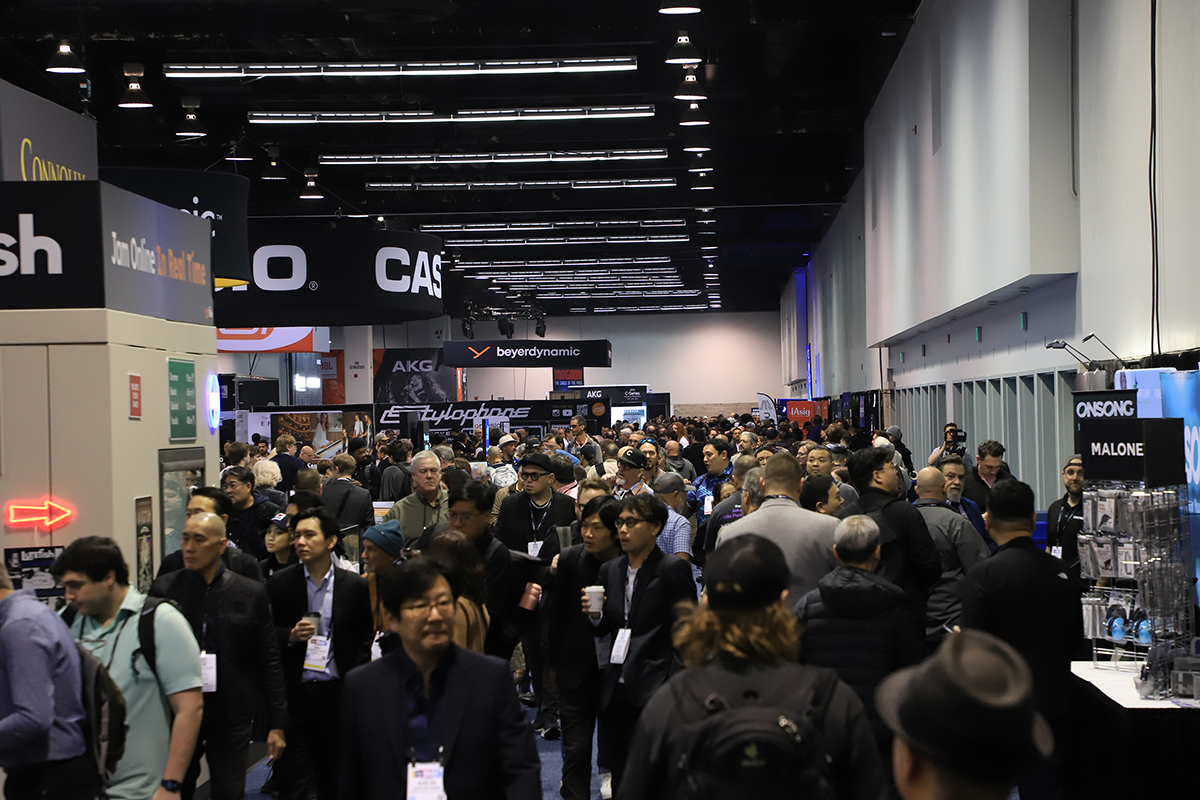
Thousands of musicians and music lovers travelled to Anaheim for the biggest MI show on the planet. So why wouldn’t you want to be part of that?
I have no skin in the game. I don’t know the CEO. I paid for the inflated hotel prices, the eye-watering coffee, and took a full week out to be there. One week. And it was worth it.
The blend of visitors was obvious. Consumers, clearly. Trade professionals, just as clearly. Meetings happened — on site and off. Conversations were had, questions answered, relationships strengthened. Anaheim was the destination, but NAMM was the gravitational centre that made it all happen.
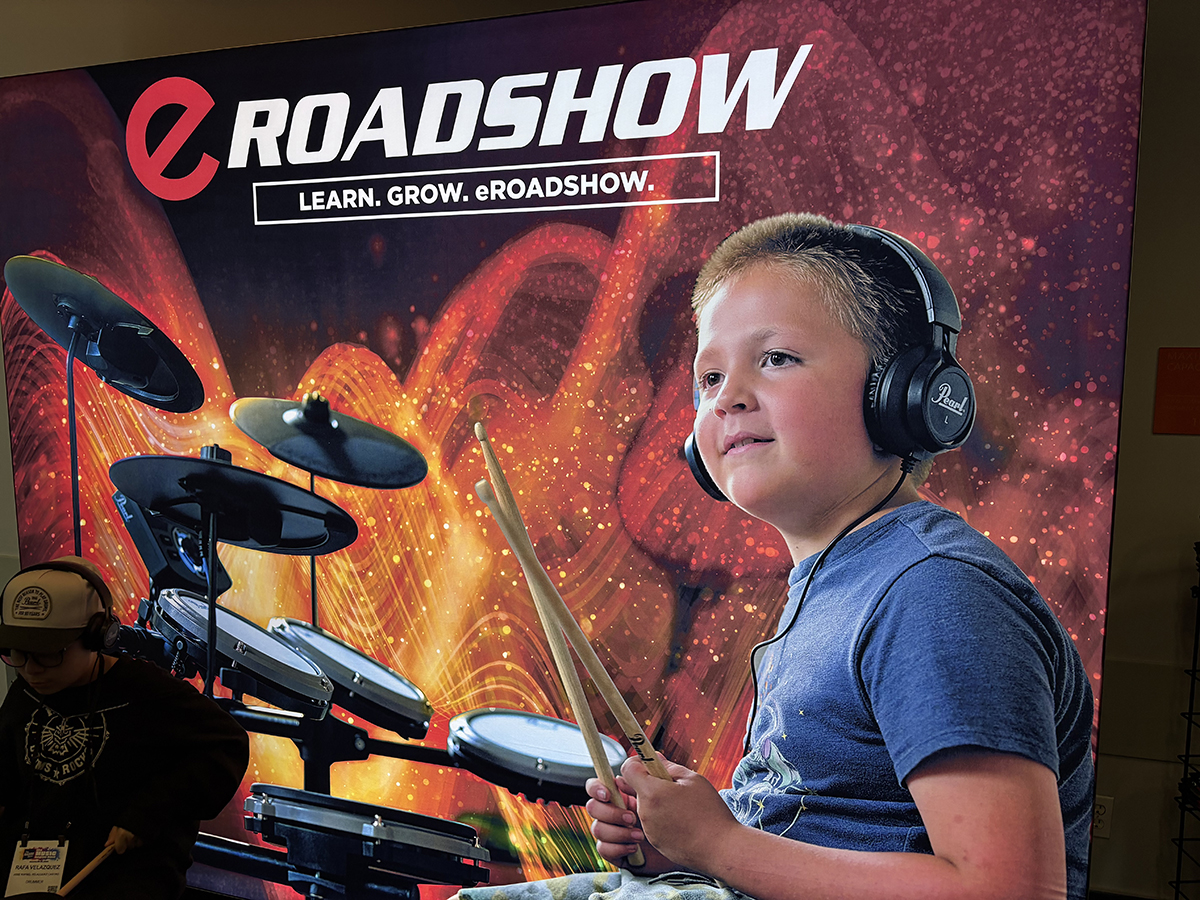
Embrace the Noise
I understand the challenges. As part of a business that organises consumer events here in the UK, I know that combining trade and consumer audiences isn’t always easy. It means adapting booths, managing conversations, balancing displays with meetings.
Yes — it’s noisier. Yes — consumers are playing instruments.
But those are the people we are all ultimately here for.
Without them, we’re all knackered.
Be There
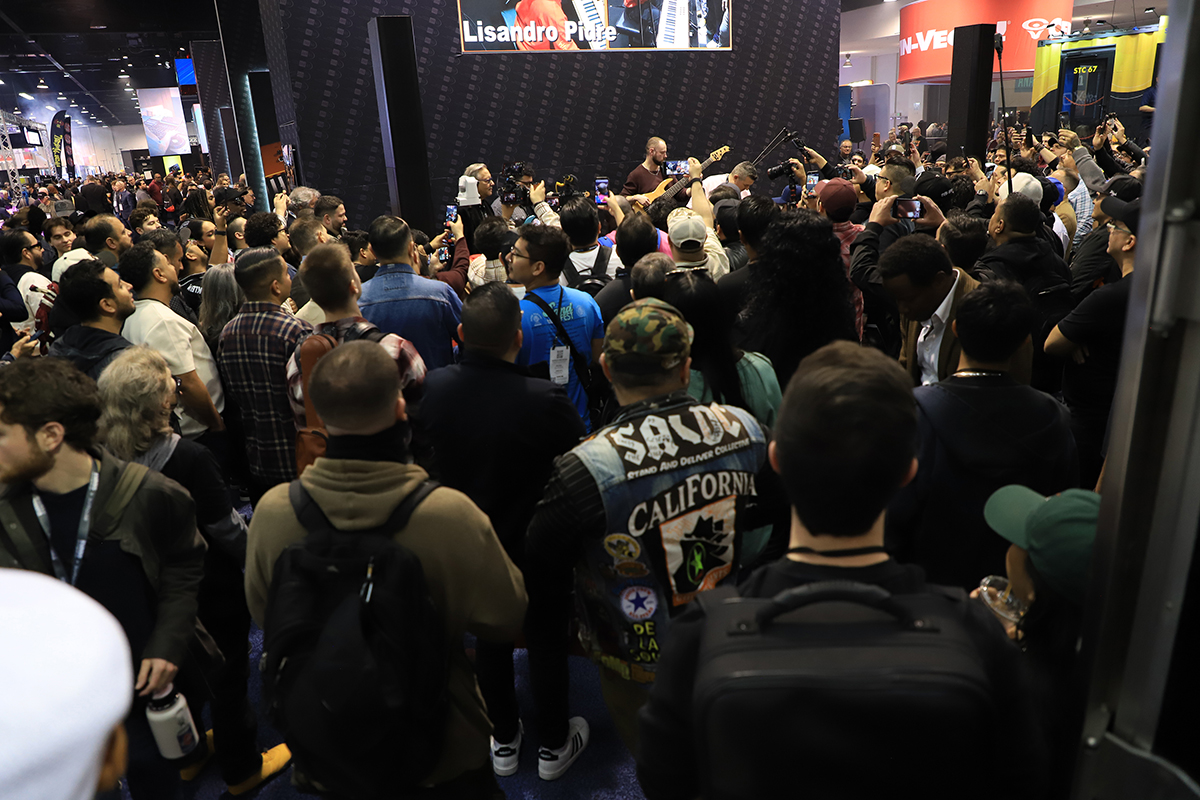
Whatever your reason for attending, exhibiting, or sitting the show out — unity and confidence are what ultimately decide the fate of events like NAMM. If the narrative becomes “too consumer”, “not enough trade”, or “too expensive”, ask yourself something else:
How would it feel if there was no NAMM at all?
It doesn’t bear thinking about.
So scale up. Scale down. But be there.
Get in front of the consumers — past, present, and future. Make their visit memorable. Inspire them. Because when they leave buzzing, they might visit their local store, buy online, upgrade their gear, or tell other musicians what they experienced. Maybe they’ll come back next year. Maybe they’ll choose your product.
NAMM isn’t responsible for the destiny of the MI industry — but despite everything, it is still working hard to create opportunities for people and businesses who care.
Contribute
What stood out most was the passion. The enthusiasm. The belief of the companies and individuals who did show up. Yes, store closures are real. Distribution models are evolving. Direct-to-consumer conversations are only getting louder.
But if there’s one priority that should sit above everything else, it’s engagement with musicians and consumers.
Embrace the change. Present your products in ways that work for your business. Think investment, not just budget. Don’t complain from the sidelines. Musicians and consumers are our shared future.
Thank you to everyone who took the time to speak with us, to share new releases, ideas, and optimism. We still have more to post — we simply couldn’t get through it all.
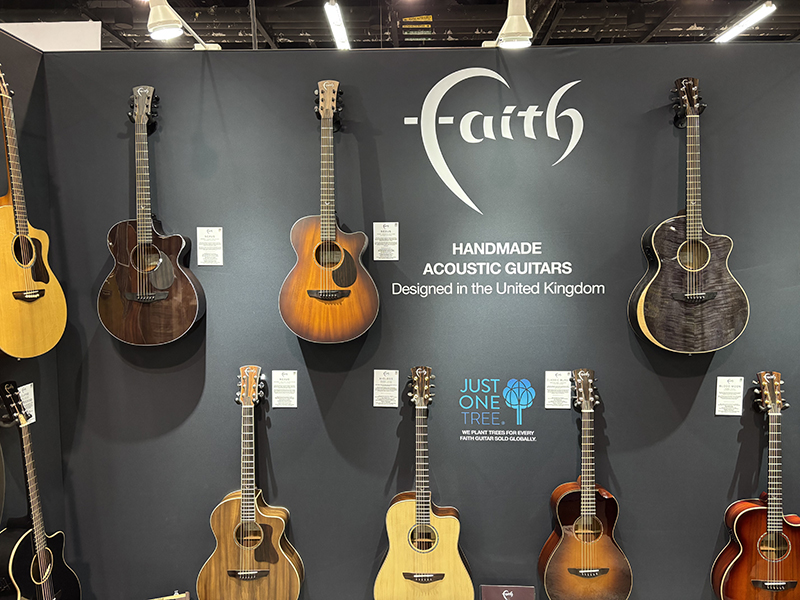
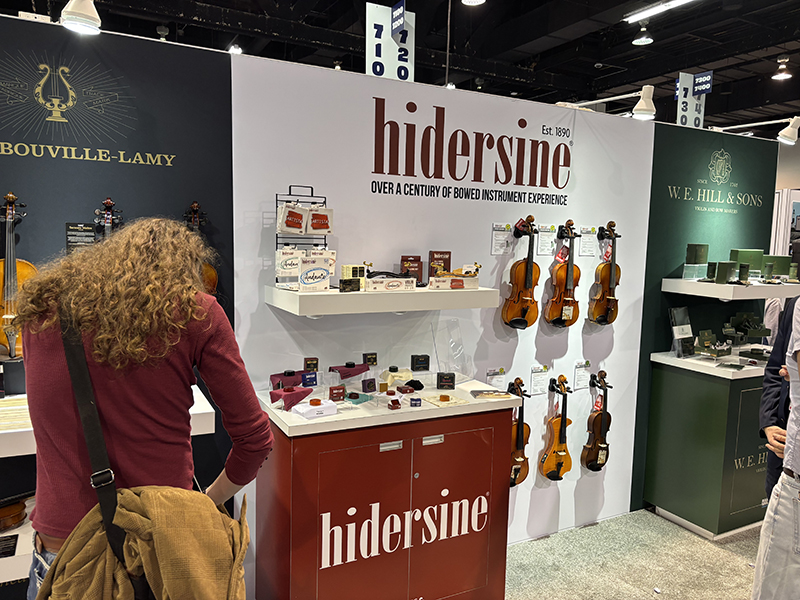
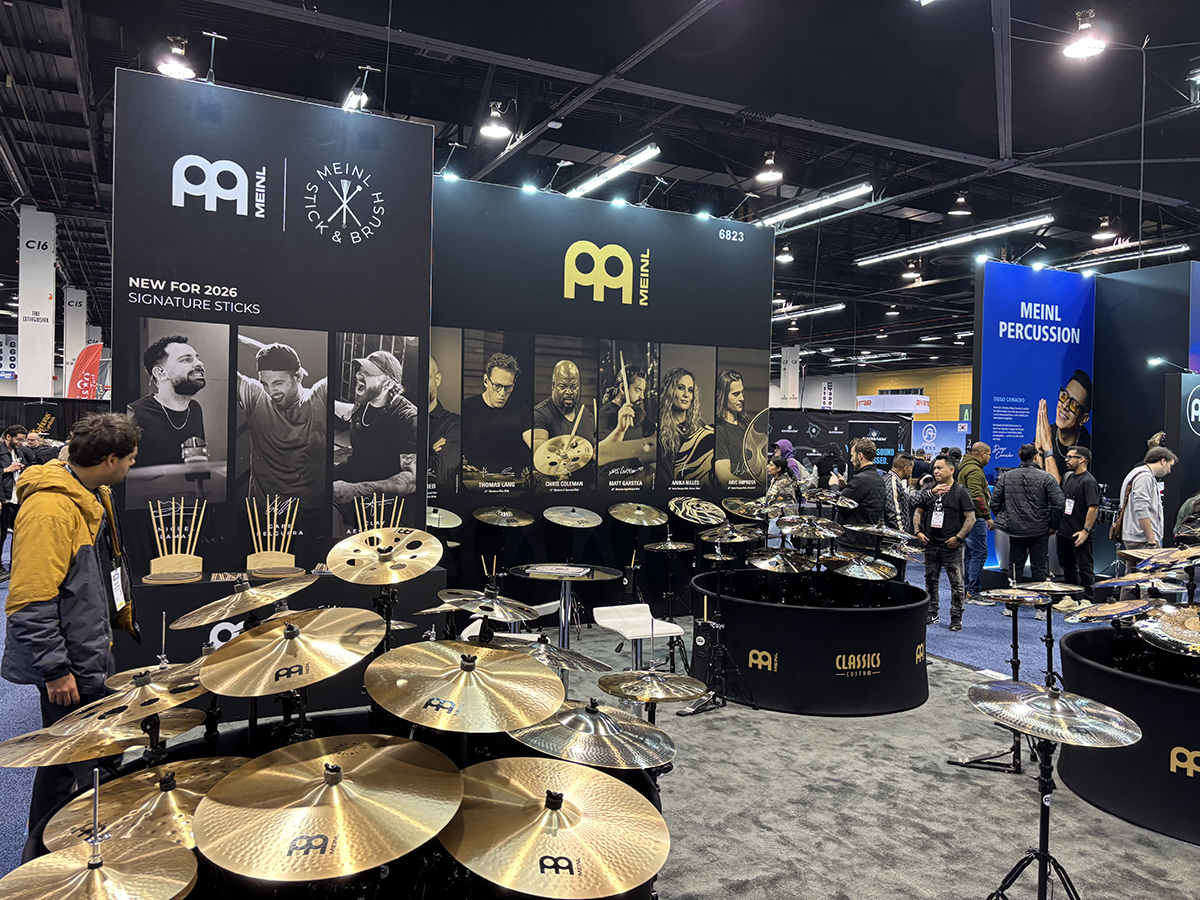
Thank you to NAMM for organising a genuinely strong event. It was encouraging to see growth in the guitar halls and especially good to see drum and percussion brands returning for the first time since COVID. Event organising is often a thankless task, so credit where it’s due — it was great to see old friends, new faces, and what felt like a renewed energy on the floor.
NAMM 2026 mattered.
Neil Golding
Publisher
The post What Was NAMM 2026, Really? appeared first on Music Instrument News.
Source: musicinstrumentnews.co.uk